Codebase context when and where you need it.
Core Capabilities
Context Infrastructure
for Codebases.
1.
The Codebase Atlas
Thematic Architecture Map
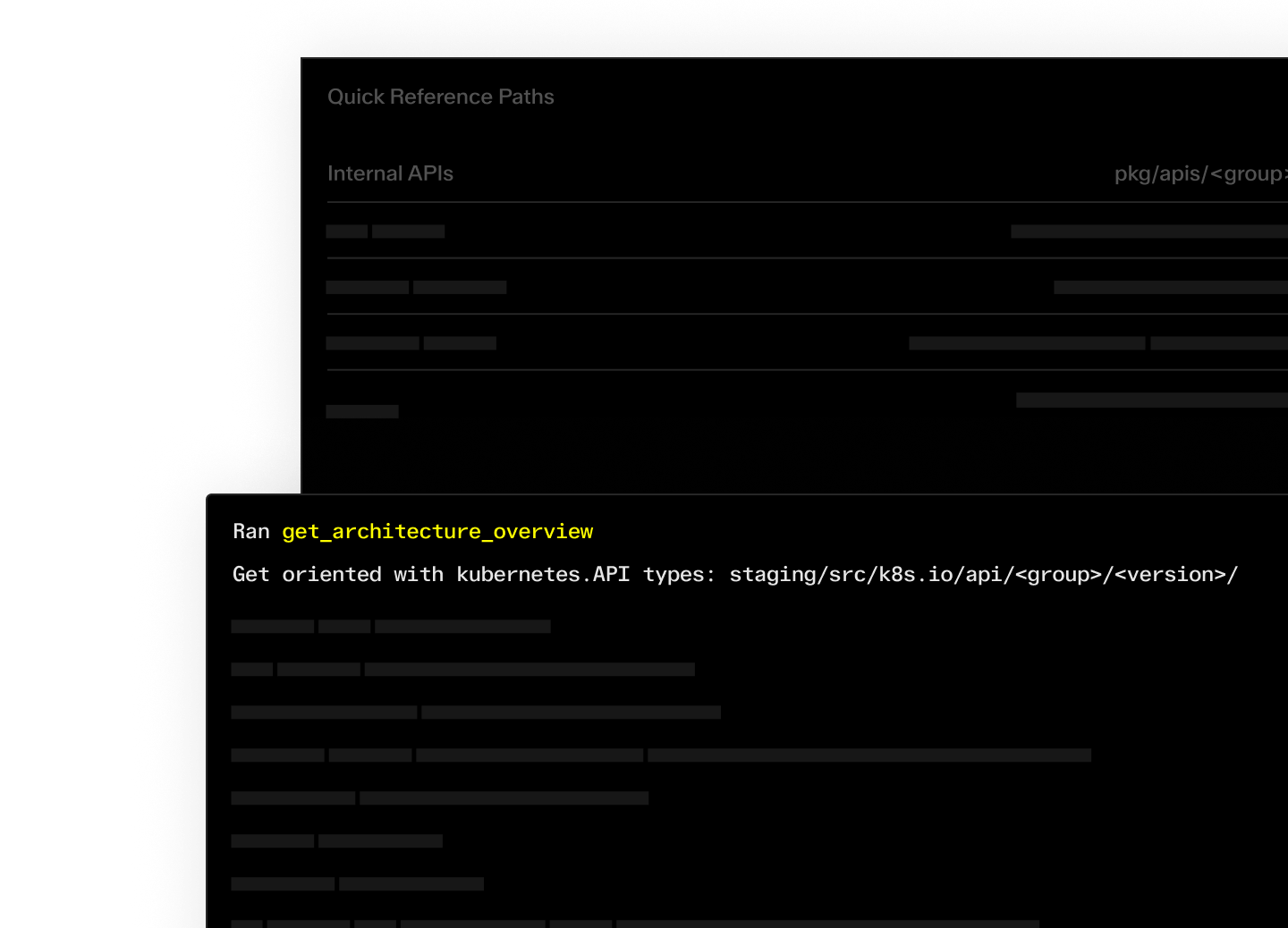
Orient from a map that clusters files by what they do and how they connect, from symbols up to subsystems, so each section holds code that works together wherever it lives. Atlas sizes itself to the codebase, from a single page to an index over group pages.
Section Detail on Demand
Open the relevant Atlas sections, one level at a time, so context stays small however large the codebase gets. Each covers what its code does, the rules about what changes together, and its member files.
Every Codebase in the Estate
Connect one codebase or the whole estate, and Driver keeps every configured branch current as commits land. Agents can list and access context for every codebase connected to that user.
2.
Relationships and Change Impact
The Symbol-Level Context Graph
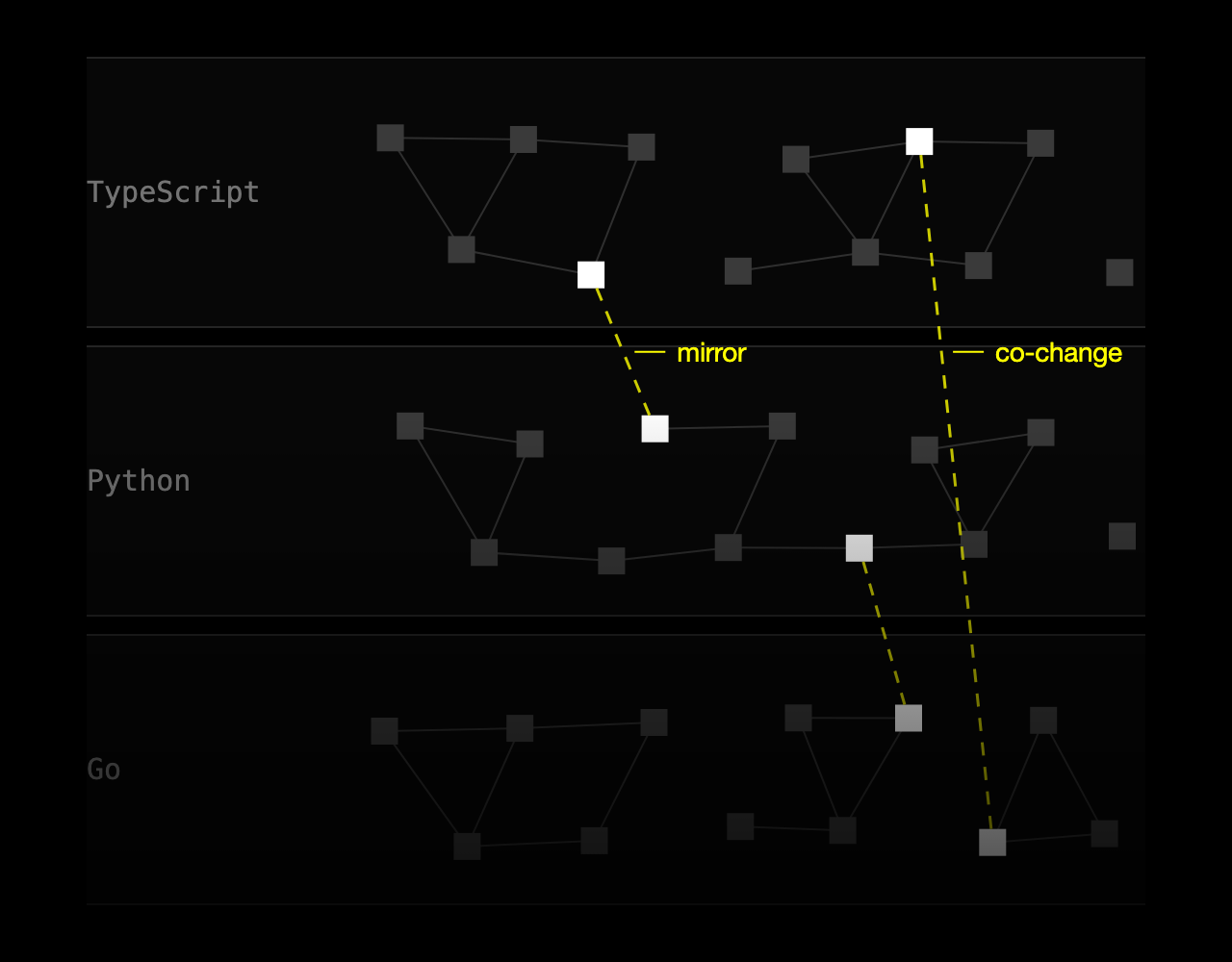
Follow how any file couples to the rest of the codebase: dependency, mirror, and co-change edges. Agents can trace relationships and dark connections across language boundaries through full symbol-level context, with the kind of coupling named on every edge.
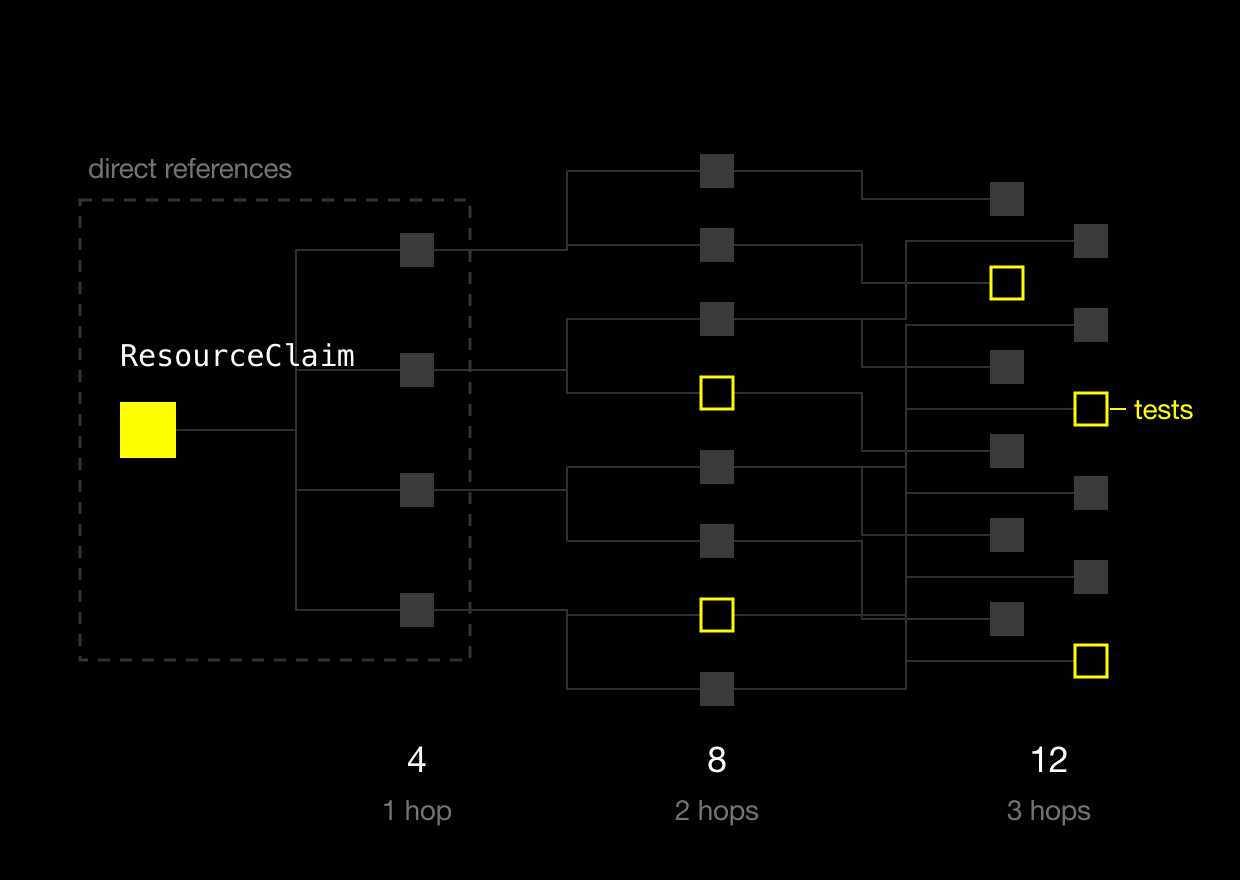
Blast Radius of a Change
Size the reach of a symbol before touching it, including the tests that exercise it and the dependents several hops out that a text search never finds.
3.
Change Over Time
Development History
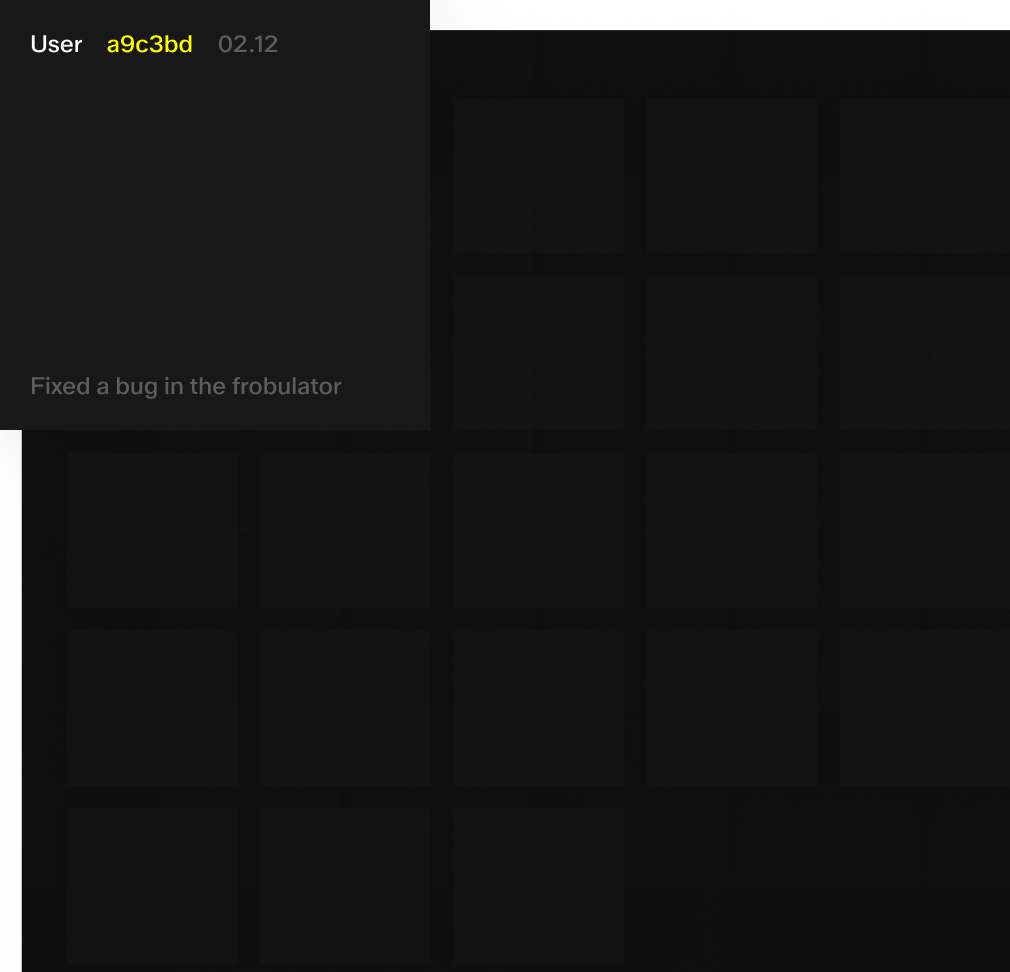
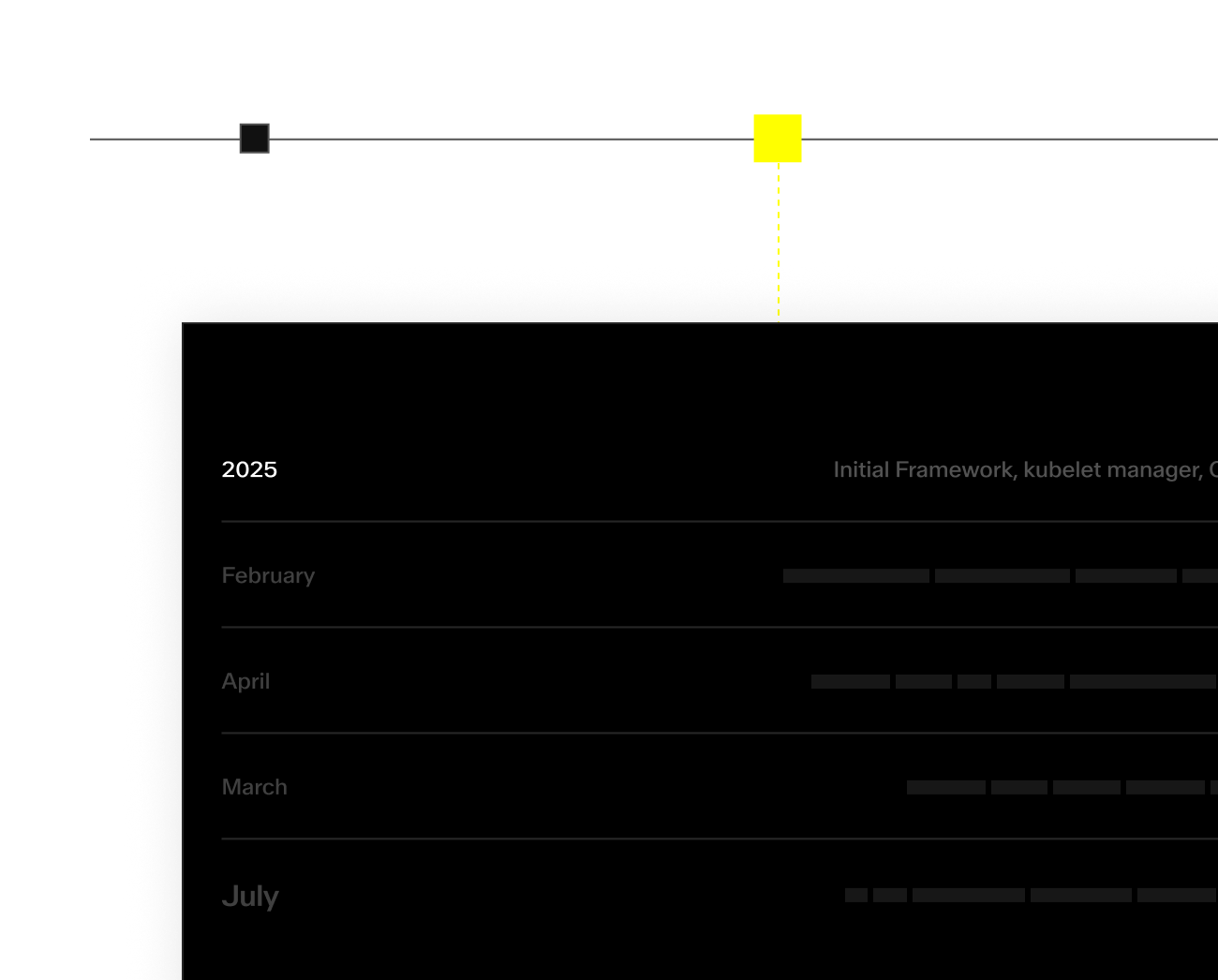
Trace how a system arrived at its current shape, broken down by year and month, with the themes that dominated each period.
Commit-Level Detail
Drill into any period for the commits behind it: the authors, the messages, and the files each change touched.